Product
 Brand
Brand Articles
 Tools
Tools
Role of Direct Memory Access in Modern Computing
In the traditional data transfer method, programmable input/output (I/O) employs the central processor unit (CPU) to manage the data flow between an external device and the host system's memory. Frequently, data transfers are managed by the CPU before being sent to the proper location. These systems need multiple CPU cycles for data transfers between the main memory and peripheral devices. On the other hand, the amount of data that needs to be handled is also growing significantly as applications have become more diverse and intricate.
Performance is slowed if the CPU must read and process each data block. However, This traditional transfer method needs a lot of resources, particularly when dealing with large amounts of data, leading to closely connected systems that are challenging to modify over time.
How do we overcome challenges with traditional data transfer methods?
Direct Memory Access (DMA) controllers are a unique interface circuit that handles data transfer operations by bypassing the CPU to improve system performance. It is an advanced technique that effectively utilizes processing power and maximizes memory access speed during data transfers between the host memory and a peripheral device, reducing the load on the CPU.
To lessen the effect of data transfer load on CPU performance, the DMA enables peripheral devices to directly access the main memory to read, write, send, and receive data, as shown in Fig. 1. Meanwhile, the CPU can perform other arithmetic operations concurrently, increasing the system's performance and data flow rate. Each of these elements has the potential to improve system performance.

Fig. 1 Diagrammatic illustration of direct memory access. Source: Rakesh Kumar, Ph.D.
The DMA is supported by modern architectures, which offer an interface and support for several data buses, including Peripheral Component Interconnect Express (PCIe), Advanced Microcontroller Bus Architecture (AMBA), and Industry Standard Architecture (ISA). This technology is important in optimizing computer data flow and enhancing operational capabilities by minimizing unnecessary processing overheads.
Working of DMA Controller
DMA enables a system's processor to operate more effectively. Data is transferred between system components using the DMA controller through several buses and pathways. Various key steps are involved in the process of DMA-based data transfer, including
● Initiation: When a device needs to send or receive data from memory, it initiates a DMA request.
● Request: The peripheral device sends a DMA request signal to the DMA controller, indicating that CPU intervention is not required for this data transfer operation.
● Preparation: The DMA controller prepares for the data transfer by setting up the necessary parameters.
● Bus mastering: A DMA-capable device takes control of the system bus to manage data transfers independently from the CPU. The controller takes control of the bus and drives the signal lines in response to a DMA request signal, enabling the device to read or write data.
● Memory access: When the DMA controller is initialized, the memory controller supplies memory addresses and starts memory read or write cycles for data transfer. The DMA controller directly accesses memory without involving the CPU, reading from or writing to specific memory addresses. DMA controller enables devices to simultaneously store their DMA data, including its size, direction, and memory address. It also has a counter that keeps track of the progress of active transfers.
● Completion: Once the transfer is complete, the DMA controller sends an interrupt signal to the CPU, indicating that the operation has finished.
Types of DMA Transfers
DMA controllers support various data transfer modes that are suitable for various applications.
Burst Mode
The DMA controller takes control of the memory bus and completes the entire data transfer before releasing it back to the CPU. This mode is efficient for large, continuous data transfers but may temporarily block CPU access to memory.
Cycle Stealing Mode
The DMA controller alternates between transferring a small amount of data and releasing the bus back to the CPU. This mode balances DMA efficiency with CPU access to memory.
Transparent Mode
The DMA controller only uses the bus when the CPU is not using it, typically during CPU idle cycles. This mode minimizes impact on CPU performance but may result in slower data transfers.
Challenges
DMA in computer systems has numerous important benefits, including improved multitasking capability, lower CPU overhead, higher data transfer speeds, enhanced performance, and energy efficiency. However, there is a chance of security breaches due to the characteristic of direct access. The DMA compromise is an effective and potent side-channel attack, enabling the attacker to directly read and write the victim system's memory.
The Input-Output Memory Management Unit (IOMMU), also known as VT-d by Intel and AMD-Vi by AMD, is another method used to lower the danger of a DMA attack. These create protection domains between DMA-capable devices and physical memory, restricting unauthorized access.
Kernel DMA Protection (Memory Access Protection) reduces the risk of DMA attacks on Windows 10 Secured-core PCs. This feature protects against malicious and unintended DMA attacks during boot and runtime.
Oblivious RAM is one piece of hardware that keeps memory safe, encrypts it, and reshuffles it. This characteristic has led to its inclusion in more modern security device models and designs.
Implementing pre-boot authentication solutions using Trusted Platform Modules (TPM 2.0) to improve data privacy is another effective solution for DMA attacks. BitLocker is a mechanism launched in Windows Vista, where Microsoft offers pre-boot authentication. The data is protected by Bitlocker's full-disk encryption, which allows the keys to be safely produced and stored on the TPM. Combining TPM with a second factor (biometric, certificate, or password) provides enhanced security.
DMA technology finds applications in various areas of computing, including storage devices like hard drives and solid-state drives, network cards, graphics cards, sound cards, and peripheral devices like USB and Thunderbolt devices.
In conclusion, DMA remains a fundamental technology in modern computing systems, enabling efficient data transfer and enhancing overall system performance.
Summarizing the Key Points
● DMA significantly enhances data transfer efficiency by allowing peripheral devices to access memory directly, reducing CPU involvement and improving overall system performance.
● Implementing DMA technology leads to better multitasking capabilities, as the CPU can perform other operations concurrently while data transfers occur, optimizing resource utilization in computing systems.
● Security challenges associated with DMA, such as potential attack vulnerabilities, necessitate protective measures like the IOMMU and Kernel DMA Protection.
Reference
Gui, Yutian, Chaitanya Bhure, Marcus Hughes, and Fareena Saqib. “A Delay-Based Machine Learning Model for DMA Attack Mitigation.” Cryptography 5, no. 3 (July 27, 2021): 18. https://doi.org/10.3390/cryptography5030018.
Lu, Chao, Haosen Yang, and Qi Wu. “Design and Implementation of a Direct Memory Access Controller Based on Microcontroller Unit.” Journal of Physics Conference Series 2221, no. 1 (May 1, 2022): 012016. https://doi.org/10.1088/1742-6596/2221/1/012016.
 Rakesh Kumar, Ph.D.
Rakesh Kumar holds a Ph.D. in electrical engineering with a specialization in power electronics. He is a Senior member of the IEEE Power Electronics Society, Class of 2021. He is currently associated with the KPR Institute of Engineering and Technology, India. He writes high-quality, long-form technical articles on power electronics for B2B electronics platforms. Feel free to reach out to him at rakesh.a@ieee.org!
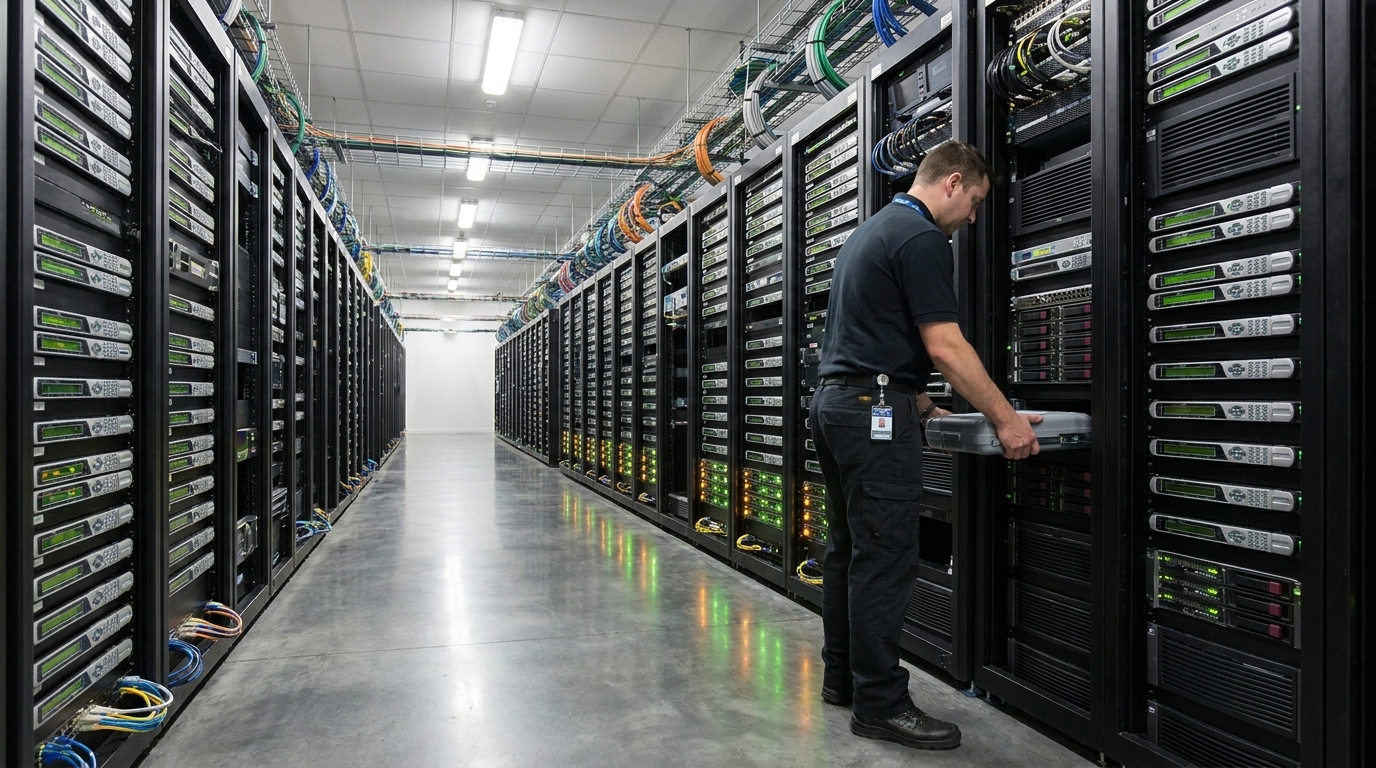 High-Capacity HDDs in the AI Era: Sourcing Massive Storage for Cold DataUTMEL04 July 2026661
As generative AI and LLMs drive an explosion of unstructured data, high-capacity enterprise HDDs remain the most cost-effective solution for cold storage. Despite rising prices and supply chain bottlenecks, mechanical drives offer a massive cost-per-gigabyte advantage over SSDs. Technologies like HAMR and SMR enable capacities beyond 24TB, though deploying these drives requires robust RAID 6 strategies and secured IC supply chains to mitigate rebuilding and procurement risks.
Read More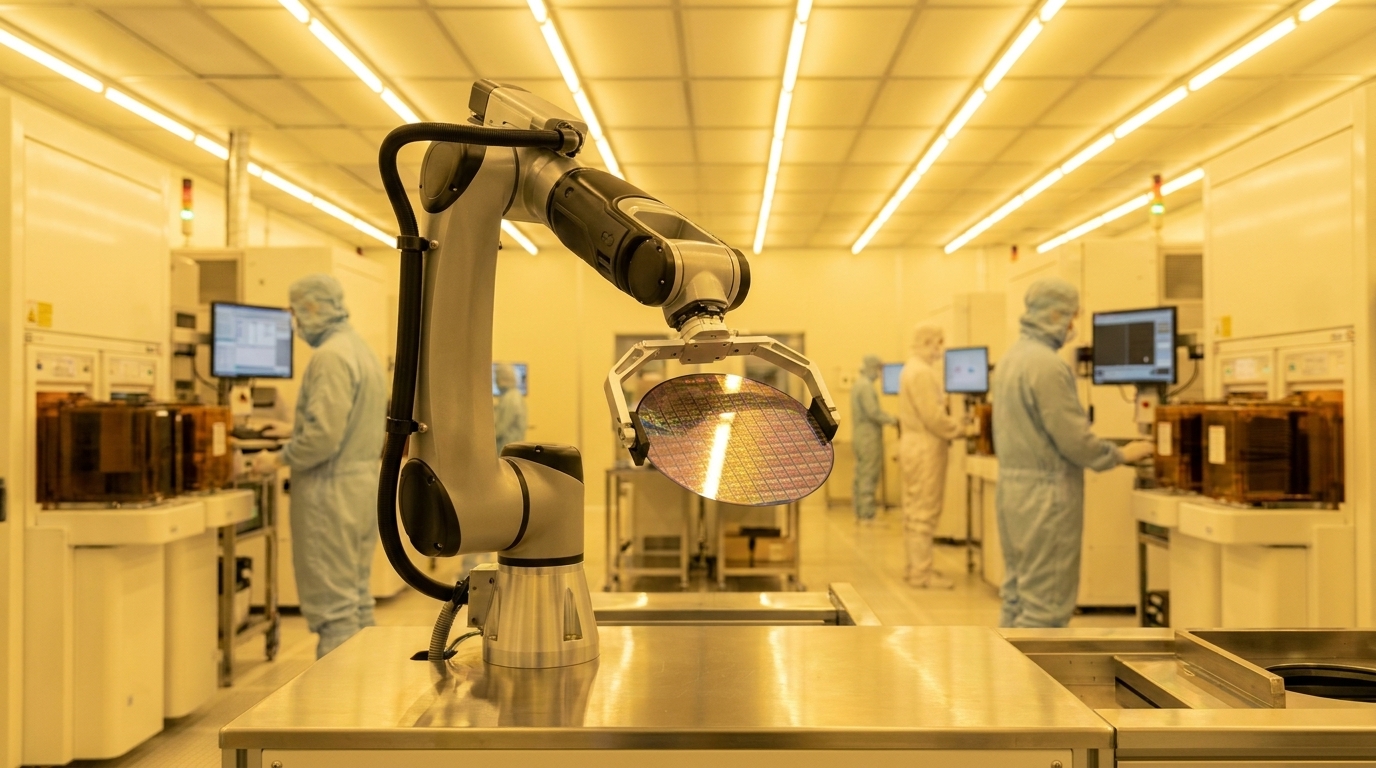 LPDDR5 Memory 2026: Lead Times, HBM Impact, and Procurement StrategiesUTMEL17 July 20264219
Global semiconductor fabrication facility managing advanced memory production. In Q2 2026, contract prices for 12GB LPDDR5X modules surged 89% quarter-over-quarter, jumping from $77.10 to $145.90, while lead times for advanced memory components stretched to 40–58 weeks. A vehicle platform designed in 2023 with specific memory requirements must ship in 2026, regardless of spot market conditions.
Read More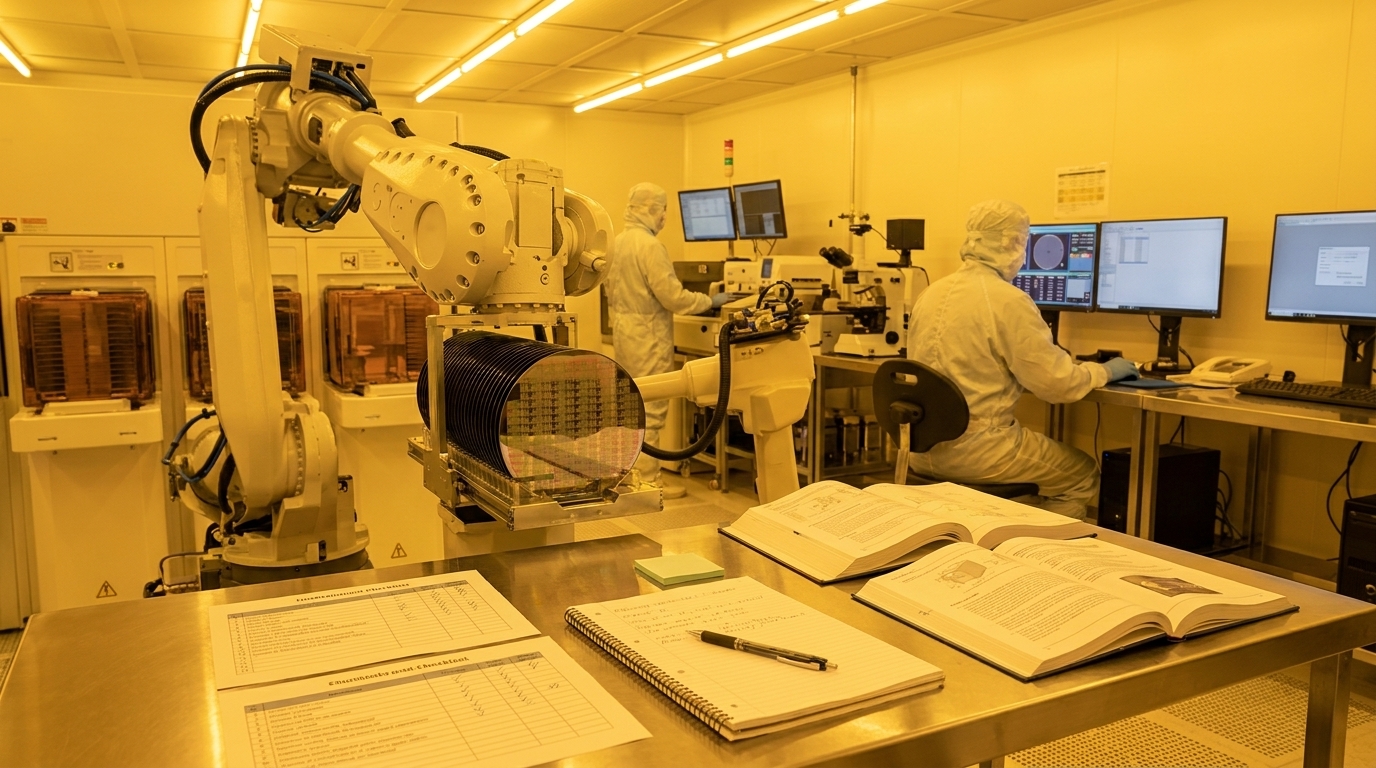 2026 DRAM and the 3-to-1 HBM Rule: Market Supply Analysis and B2B Procurement GuideUTMEL23 July 20265511
This technical report explains how the physical "3-to-1 wafer penalty" of High Bandwidth Memory (HBM) production has cannibalized standard DRAM capacity, causing severe shortages of DDR4 and DDR5 in 2026. As major hardware OEMs pass these soaring component costs directly to enterprise buyers, procurement teams must abandon Just-in-Time models in favor of rolling safety stocks and strategic long-term distributor agreements to protect budgets.
Read More Automotive vs. Industrial Memory: How to Verify Grade Codes Before Sourcing In this guideUTMEL06 August 2026428
Memory ordering codes can look almost identical while representing different temperature limits, packages, revisions, qualification evidence, or lifecycle commitments. For automotive and long-life industrial designs, the safe purchasing unit is the complete manufacturer ordering code, not a base part number plus a familiar-looking suffix.
Read More How to Use an External Hard Drive?UTMEL24 June 20219429
The external hard drive is a compact and portable hard drive storage which can be plugged in or unplugged at any time. It mainly uses USB or IEEE1394 interfaces. It can transmit data with the system at a higher speed. The IEEE 1394 interface transfer rate is 50-100 MB/s.
Read More
Subscribe to Utmel !